Headless WooCommerce: your shop stays, your pages speed up
Headless WooCommerce development that keeps your WordPress screens and gives buyers pages that open in about a second: $2,500 to start, from $5,000 to build.
See the offer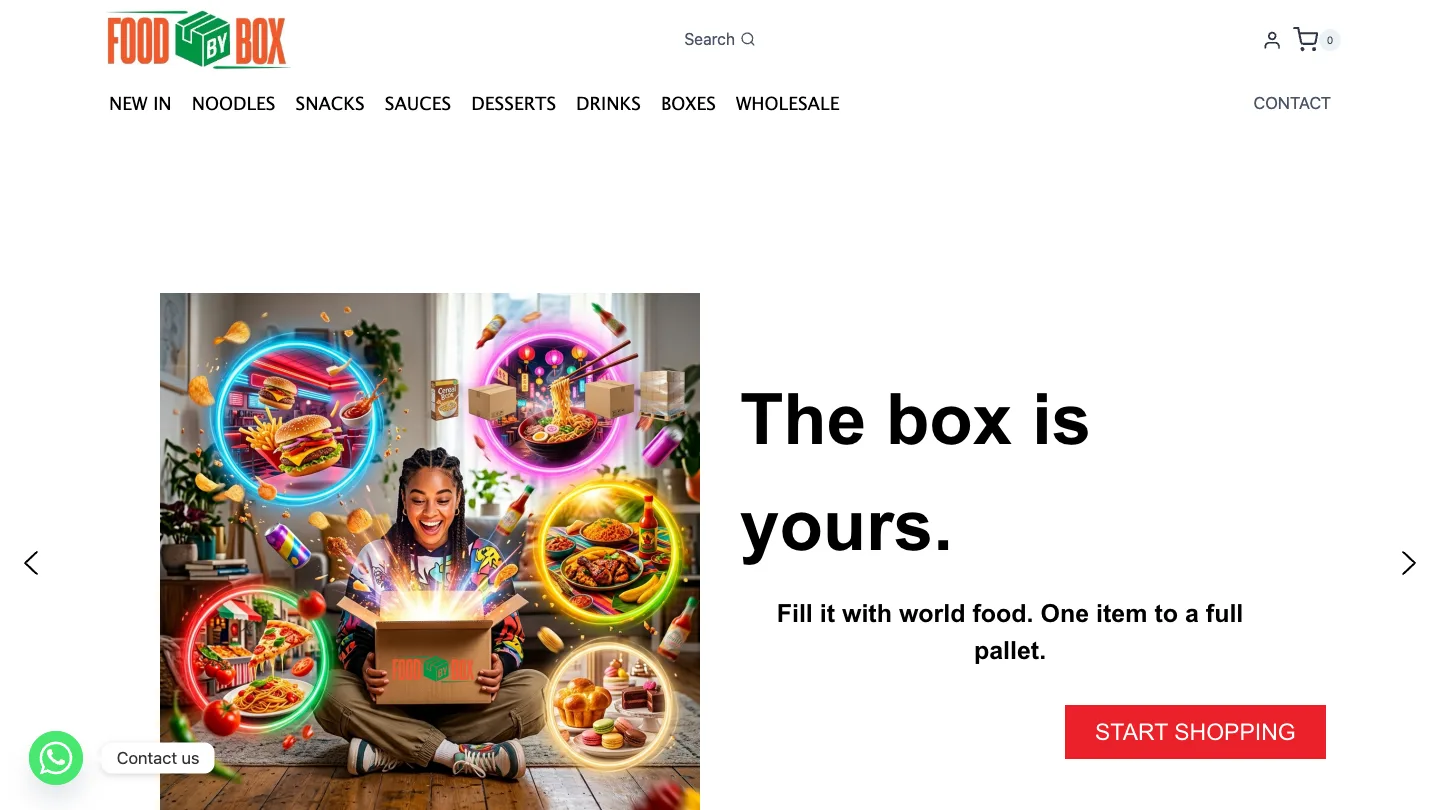
TL;DR: Headless commerce development splits one shop into two separate jobs: the pages your customers load, and the system holding your stock, your orders and your prices. We build the fast half, keep the admin your team already knows, and publish the price of every phase before the work starts.
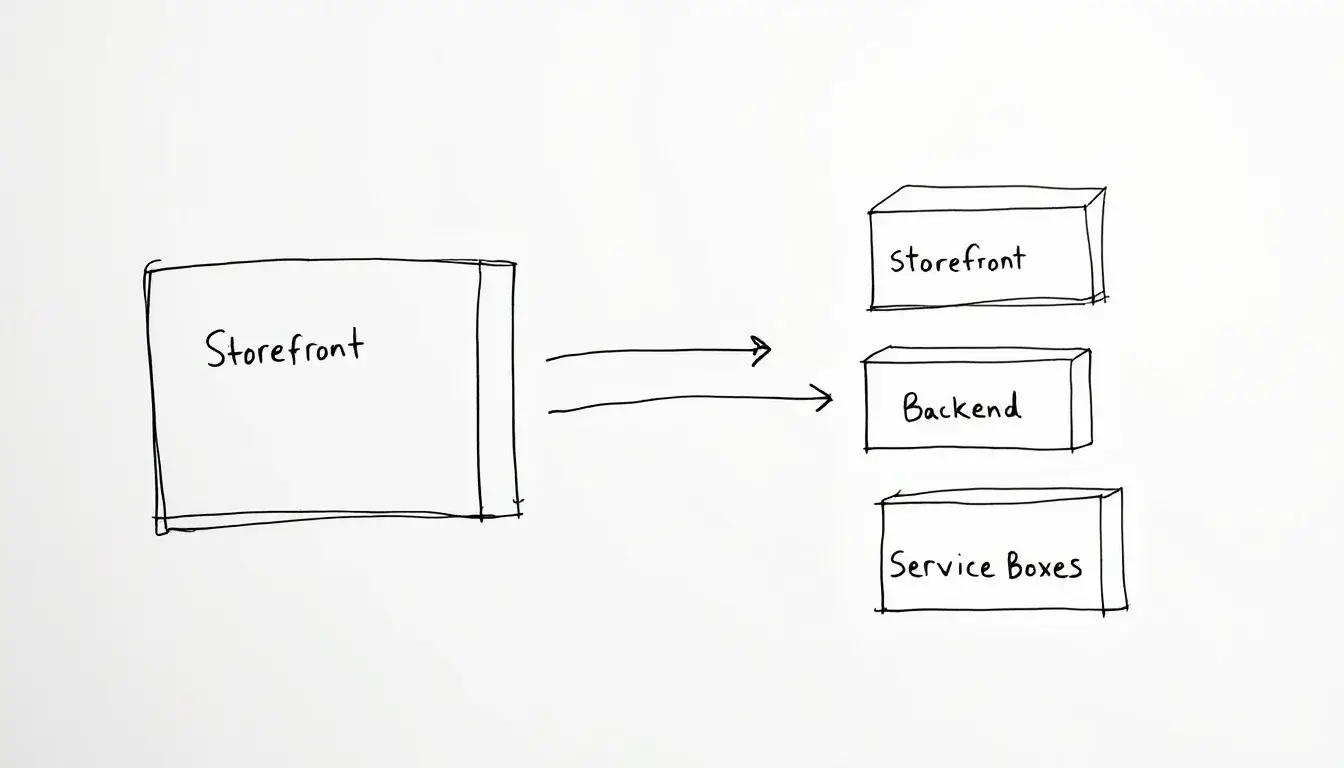
Most stores we are called to look at are not slow because someone built them badly. They are slow because one piece of software is doing three jobs at once: drawing the page a customer sees, holding the catalogue and the stock, and running the screens your team works in every day. When all three live inside the same box, improving one of them disturbs the other two, so nobody improves anything. Headless commerce development separates them on purpose, and it is worth saying that plainly before any price appears on this page. That split is what a headless ecommerce agency is actually hired to build, whatever the proposal decides to call it.

What the customer loads is a small thing. The page carries a picture, a price, the availability and the button, and nothing else has to travel to that phone. The system behind it can be as heavy as your business requires, because it never runs on the visitor's device. That is the trade: your customers wait less, your back office carries more, and the two stop arguing with each other.
Owners usually arrive at this work with a number they already know, the share of full baskets that never get paid for, and the Baymard Institute's checkout research is where that problem is documented rather than argued about.
The third layer is the one buyers forget to ask about, and the one that decides whether the project is a success: the admin. Your team will spend more hours inside it next year than your customers will spend on the storefront. So we treat it as a fixed point rather than a prize. Order statuses, stock adjustments, refunds, supplier notes and the daily packing list stay where the people who use them expect to find them, and any change there is agreed with those people before it is built.
The name for this arrangement is not ours either. Wide stores eventually stop fitting one vendor's idea of what a shop is, which is why the split is now called composable commerce: parts chosen one by one, each one replaceable on its own, with nothing holding the rest hostage. The vendor-neutral definition of it is published by an industry body rather than by a platform seller, and it is short enough to read in one sitting.
Two moments in that sequence matter more than the rest. The first is the scoping week, because it is where a shop that should stay as it is gets told to stay as it is. The second is the switch: how the work is sequenced is written so the storefront can go live without the order system moving on the same night. Where a shop is already selling and the date is fixed by a contract or a season, we plan that version of the work instead, which is the same project with a deadline attached.
Availability matters as much as the plan. The studio sits at 78 SW 7th Street in Brickell, we work in English and Spanish, and we come to you across Miami and South Florida when a conversation is easier across a table than on a screen.
The prices below are where each phase starts, and they are published so you can plan a budget before you speak to anyone.
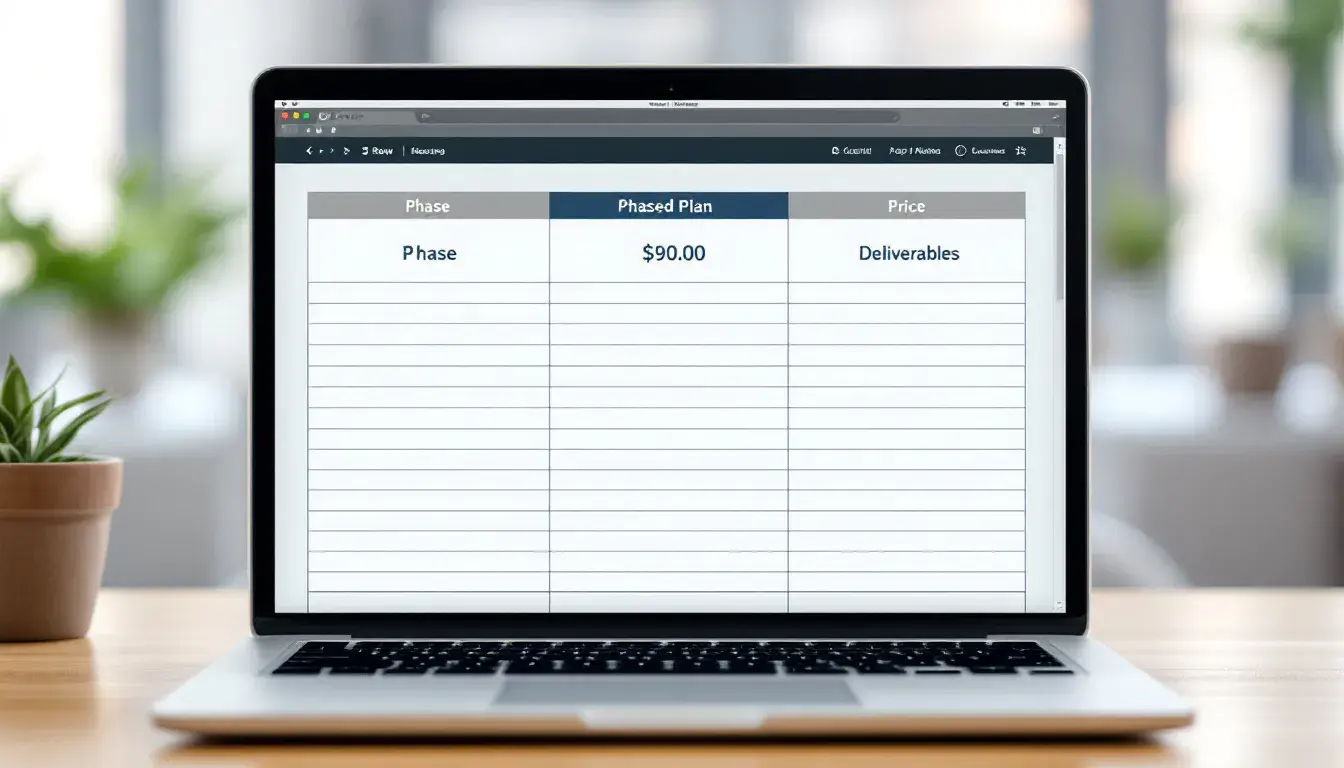
Discovery is $2,500 for one week. Architecture is $2,500 and is credited to the build when the build follows. The build starts at $5,000 and is quoted per stage, so a change of scope moves one line on the plan instead of the whole invoice. The quality check and the launch are inside the build price. Care starts at $1,500 per month once you are live. You own the code and the infrastructure from the first release, on your own accounts, with nothing to renew.
The price on this page is a starting point, not a guess dressed up as a fact. The scoping document fixes the exact scope, the price and the dates for your shop, and it does that before you commit to building anything. Where a project is smaller than the starting point, we say so in writing and the number comes down. Where it is larger, you learn that in the same document, with the line items that make it larger.
Food By Box runs 2,500 products with live stock across several warehouses. The work took its customer-facing pages off the order system: monthly visits went from 20,000 to 500,000 over 24 months, the speed score Google reports for the site now reads 95, and every address the shop already had was kept, so the traffic it had earned was not thrown away to gain the rest.
Tatiana Miath sells across several countries from a rebuilt storefront on an engine she owns. On mobile her pages took 4.8 seconds to appear; they now open in a little over one second, and the move cost her no search position. That second half is the part we watch hardest, because the visitors you already have are what pay for the project.
Both stores are written up in full, with the numbers above and the parts that went wrong, in the case studies on this site.
The speed targets we design against are not ours. Google publishes them, and its own guidance on page experience is where a buyer can check them without asking us.
Michael Agnassia writes the architecture on these projects and reviews the code before it ships, with 15 years of ecommerce behind that judgement. The point of naming him is not a badge. Your shop is decided with the architect and delivered by a tight crew — design, Kubernetes, APIs — and he is still the one who answers, months later.

Their screens stay where they are, unless you ask us to move them. What changes is the page a customer loads, and the number of hours a week your team spends waiting for software or working around it.
Not always, and the difference decides the budget. The separation can be built on the engine you already run, which is the cheaper road, or it can arrive with a new engine underneath, which is a larger project. The scoping week names which of those two you are buying, in writing.
The storefront, the connection to your engine and the switch are the parts we carry. Content, merchandising and the daily admin stay yours, and your developer keeps working in the same systems as before. Where you already have a team, we hand over the architecture and a written explanation so they can take the work further without us.
That risk is managed on purpose, not promised away. We read your existing addresses, keep the ones that carry visitors, and write the list down before anything switches. On the Food By Box work every address was kept; on Tatiana Miath's store no position was lost. We keep watching for the 30 days after launch, and that check is part of the launch rather than an extra.
Sometimes yes, sometimes no. You pay for hosting instead of platform fees and app subscriptions, and you keep the money that would have gone on per-order charges. The comparison worth making is your total monthly cost today, including every app and every hour of workaround, against the same total afterwards. If the second number is higher for your shop, we will say so in the scoping week.
Usually you keep the platform, and often that is the cheapest route: your current shop software stays in place as the engine while a new set of pages reads from it. Ownership is the same answer in every case. You own the code, the hosting accounts and the infrastructure from the first release, there is no licence to renew, and the questions owners ask before signing are collected in the questions we answer most often.
Headless WooCommerce development that keeps your WordPress screens and gives buyers pages that open in about a second: $2,500 to start, from $5,000 to build.
See the offerSaleor ecommerce development for a Miami shop: one catalogue across several markets, planning at $2,500, build from $5,000, and the results we can prove.
See the offerShopify headless commerce keeps your Shopify store where it is and rebuilds only the buyer's side: planning is $2,500, the build starts at $5,000.
See the offerMedusa commerce for a Miami shop that wants the store in its own name: one week to plan at $2,500, from $5,000 to build, no fee taken per order.
See the offerEcommerce replatforming for a Miami shop that cannot lose a month of orders: every address kept, $2,500 to plan, from $5,000 to build, two to ten weeks.
See the offerCustom ecommerce build for Miami stores no standard model fits: prices per client, orders by the case, a configurator. $2,500 to plan, from $5,000 to build.
See the offerServices, timelines, past projects. Answers come from this site - and if it is not here, we say so.
Hi, ask about a service, a budget or a past project. Short answers, straight from our pages.
Popular questions