
Web design portfolio Miami, with the numbers behind it

Tatiana Store, headless commerce on Medusa.js
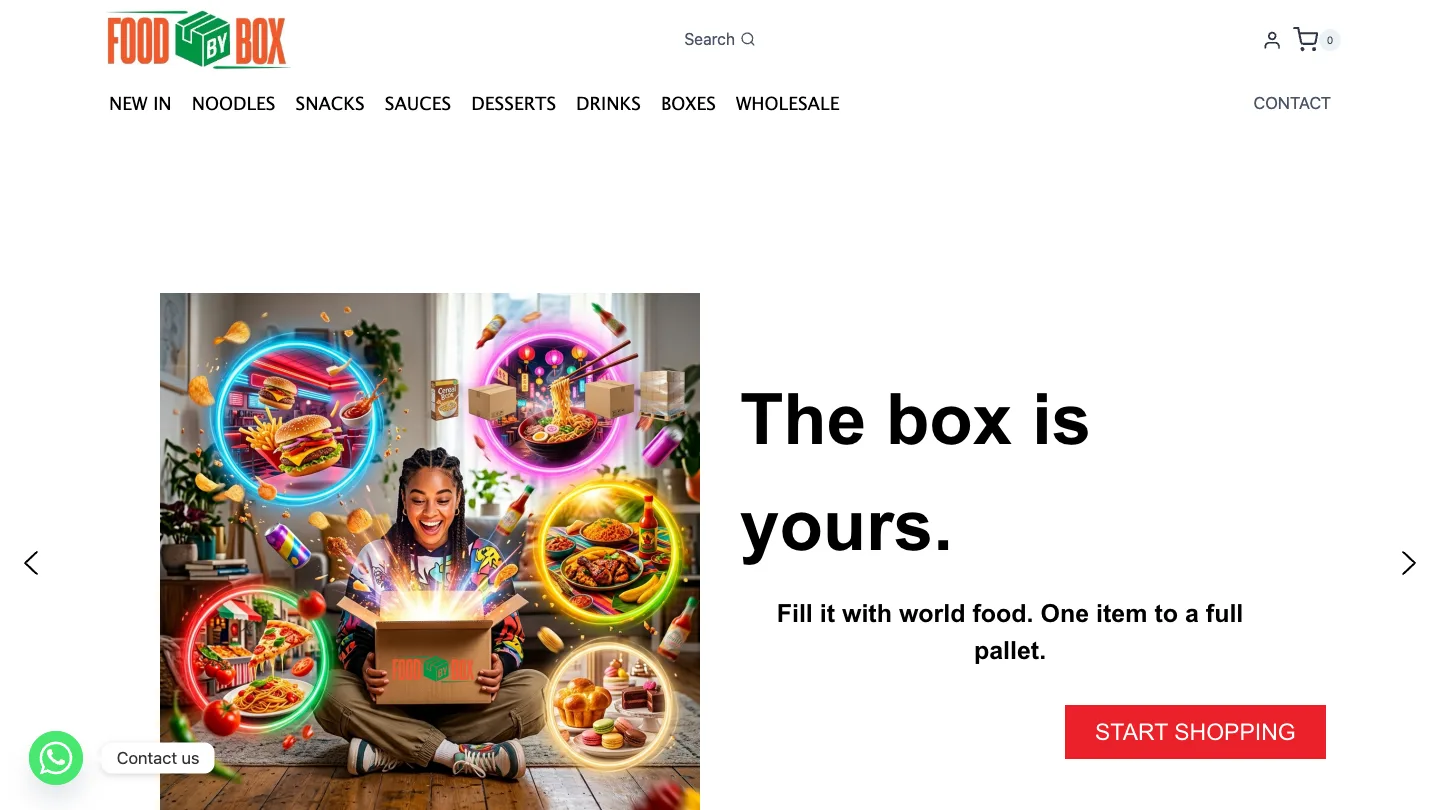
Food By Box, a 2,500-product catalogue that scaled to 500k monthly visits

DolcePick, a drop marketplace with live counters and a waitlist

AI automation consultant, a booking site that sells while he works
TL;DR: A web design portfolio Miami buyers can check: five published projects, each named with what it measured before and after the work. You get the client's starting position, the number that moved, the duration and the published price, not a wall of screenshots.
Most portfolios in this city are a grid of finished homepages. They show the last day of the work and hide the four facts that decide whether the studio can do yours: where the business started, what changed, what it cost, and how long it took. Those four facts are published below, project by project.

How to read a web design portfolio in Miami
A portfolio answers one question: can this studio move the number you care about. A gallery answers a cheaper one: can this studio make something that looks current. For each project you are shown, ask the same five things: what the client sells, where they started, what the studio changed, what moved and by how much, and how long it took. A project that cannot answer those five cannot be weighed against another.
Then look at which page the studio chose. The homepage is the easiest page to photograph and the least decisive. Baymard Institute has tested checkout flows for more than a decade and keeps finding the checkout itself to be a cause of abandoned purchases, where independent research locates the lost orders. A portfolio that stops at the homepage is showing you the pages where nothing is decided: no price, no payment, no address step.
Two claims you can settle yourself. Speed: run the same public speed test on the studio's own site first, then on the project offered as proof. A studio that talks about fast pages while its own measures slowly has already answered the question. Ownership: ask who holds the domain, the account the site runs on and the reporting. That answer takes a minute and says more about the next three years than any case study.
Below, the same reading applied to our own work: each project named, with the state it was in before we were hired, what was measured afterwards, the weeks it took and the price band it sat in. Where a client's figures are theirs to keep, the entry says so instead of turning them into a percentage. When your question is how a page is drawn rather than what it delivered, how those pages are designed is the page for that, and when the platform itself has to change is the one for software that became the problem.

What this includes
Every project here is published in the same order, so two of them can be compared without a call. Each entry carries:
- The client, and what the business sells, in one line: a catalogue of 2,500 products is a different problem from a booking page for one consultant
- The starting position, measured before we were hired: monthly visits, conversion or load time, with the tool that produced the number
- What was changed, in the order it was changed, and what was deliberately left alone
- The figure that moved, told the way the client tells it
- The weeks it took, and the published price band it sat in
- A live address you can open yourself, and which pages to look at first
- The project page behind the summary, where the whole job is written out
What you will not find is a wall of screenshots. Four of the five projects below run on software the client can edit without asking us, and each summary says what the business runs on and what it kept, instead of cropping the browser bar out of a photograph.
How it works
The five phases are the same for a project below as for yours, and they run in this order because the figure we are moving gets written down before anything is designed.
- Discovery, 1 week, $2,500. A week spent measuring the site you run today: the pages that bring visitors, the pages that bring enquiries, and what walking away from your current setup would cost you. You keep those starting figures whether or not the work goes further.
- Architecture, 1 week, $2,500, credited to the build. The list of pages, the one action each page asks for, and the figure we are moving together with the way it gets counted. This is the sheet the entries below were planned on, blank and ready for your business.
- Build, two to ten weeks depending on scope, from $5,000. Something to click on every week, on a live address you open on your own phone, so you judge the page itself rather than a picture of it. the five phases and what each one costs publishes the same figures.
- QA and launch, 1 week, included. Your current addresses are written onto a list beside the addresses they will become. Then every action is completed by hand before the switch: the form, the call, the booking, the order.
- Care, monthly, from $1,500. Monitoring, content edits and small repairs, on 30 days notice either way. Bought because it earns its place, never because the site would fall over without it.
Skip the first two phases and the portfolio entry reads differently: the site looks newer, and the same pages bring the same people.
What it costs
These prices are published here because you cannot weigh one portfolio against another without them. Discovery costs $2,500 for its week. Architecture costs the same and comes off the build when the build goes ahead. Building starts at $5,000 and takes two to ten weeks depending on scope, and Care runs from $1,500 a month after launch.
- Discovery: $2,500, one week, ending with your starting figures written down.
- Architecture: $2,500, credited against the build.
- Build: from $5,000, two to ten weeks depending on scope.
- QA and launch: included, not optional.
- Care: from $1,500 a month, 30 days notice either side.
Where your own project lands inside that range is what the written scope fixes: how many different page types your business actually needs, and how much of the content already exists. Both are settled in Architecture rather than halfway through the build, and the questions we answer before a project starts covers what a signed scope does and does not include.

Proof
Each project below is judged on the page where the sale happens, not on the homepage. Food By Box carries 2,500 products. Its catalogue pages were rebuilt around that weight, Google measured the desktop score at 95, and the store moved from 20,000 to 500,000 monthly visits inside two years, with 1,240 searches landing it in the top ten. No address that had brought buyers in was dropped.
Tatiana Miath sells high-resolution artwork worldwide. Her pages needed 4.8 seconds on a phone before the work and slightly more than one second after it, the images that load weigh 88% less, and no position she held in search was lost during the move. Her second project, Tatiana Store, came off the same 4.8-second start to 1.1 seconds: conversion rose 38% and the platform fees went to zero.
DolcePick runs limited pastry drops: 575 signups on the waitlist across 10 drops, and a mobile score of 91 on a slow connection. Best Car Seat Covers was rebuilt from the ground up and landed its first sale two days after launch. The consultant's site books 122 qualified calls a month at a 12% conversion rate, and measures 98 on Google's desktop test with a layout that shifts 0.02 while it loads.
Every figure above comes from the project page behind it: the full write-up behind each project carries the starting position, the change, and the results that were inconvenient as well. The plans are written and the releases read by who writes the plan and reads the code: 15 years of ecommerce work, the architecture written by hand, and nothing shipped before someone who built it has been through it.
Two of those claims are checkable without our word. Speed: run the same public speed test that produced the 95 and the 98, on any address we publish. And the promise that kept Food By Box's traffic through a rebuild is Google's published procedure for a store that changes its addresses: every address listed and matched before the switch, never after it.
What this page will not do is promise you a ranking or a revenue figure. We publish what was measured on the projects we have finished and signed off, and on yours we publish the starting figures and the way they will be counted. When a portfolio promises search positions, ask which pages were measured, on what date, and by whom.

Questions
How do you judge a web design portfolio Miami studios send over?
Ask for five facts on each project: what the client sells, the starting position measured before the work, what changed, the figure that moved, and how long it took. A studio that can only send a gallery is showing you its taste, not its results.
What should a miami website portfolio show that a gallery does not?
The pages where the money is decided: the product page, the checkout, the booking flow, and the list of addresses before and after a move. Those are the pages that had to change for the business to notice, and the ones a gallery usually edits out.
How is an ecommerce portfolio judged differently?
On the checkout and on the addresses. A shop is judged on the orders that complete and on whether the addresses that brought buyers in still work after a rebuild. The homepage is decoration in a shop whose catalogue pages do the selling.
Which project here is closest to mine?
A catalogue business maps onto Food By Box, an artist selling digital files onto Tatiana Miath, a scarce drop model onto DolcePick, an expert selling calls onto the consultant's booking site, and a growing shop onto Best Car Seat Covers.
Which figures will you not publish?
Client revenue, order values and customer counts, unless the client already publishes them. We say a figure was withheld rather than convert it into a percentage, and every number on this page comes from a project page that shows where it came from.
Can you speak to a client whose project looks like yours?
Yes, where that client agrees to it. The projects above are named businesses with a live address, and a short call with one of them is worth more than another hour on this page.
What does a project cost, and how long does it take?
Discovery is $2,500 for one week, Architecture is $2,500 credited to the build, the build starts at $5,000 over two to ten weeks depending on scope, and Care is from $1,500 a month.

Next
Two questions usually follow a portfolio review. what a client holds when the build ends answers who keeps the code, the accounts and the addresses, in writing, before launch. And when you want your own starting figures, the first week that prices your own project is Discovery: 1 week, $2,500, and a written answer at the end of it.